
Dubai’s property market keeps evolving, attracting both investors and residents. Many are now asking a familiar question: Is it smarter to rent or buy in 2025–26?
With property prices adjusting and rental demand rising, the answer depends on your lifestyle, budget, and long-term plans. Some prefer renting for flexibility, while others see buying as a path to financial stability and residency benefits.
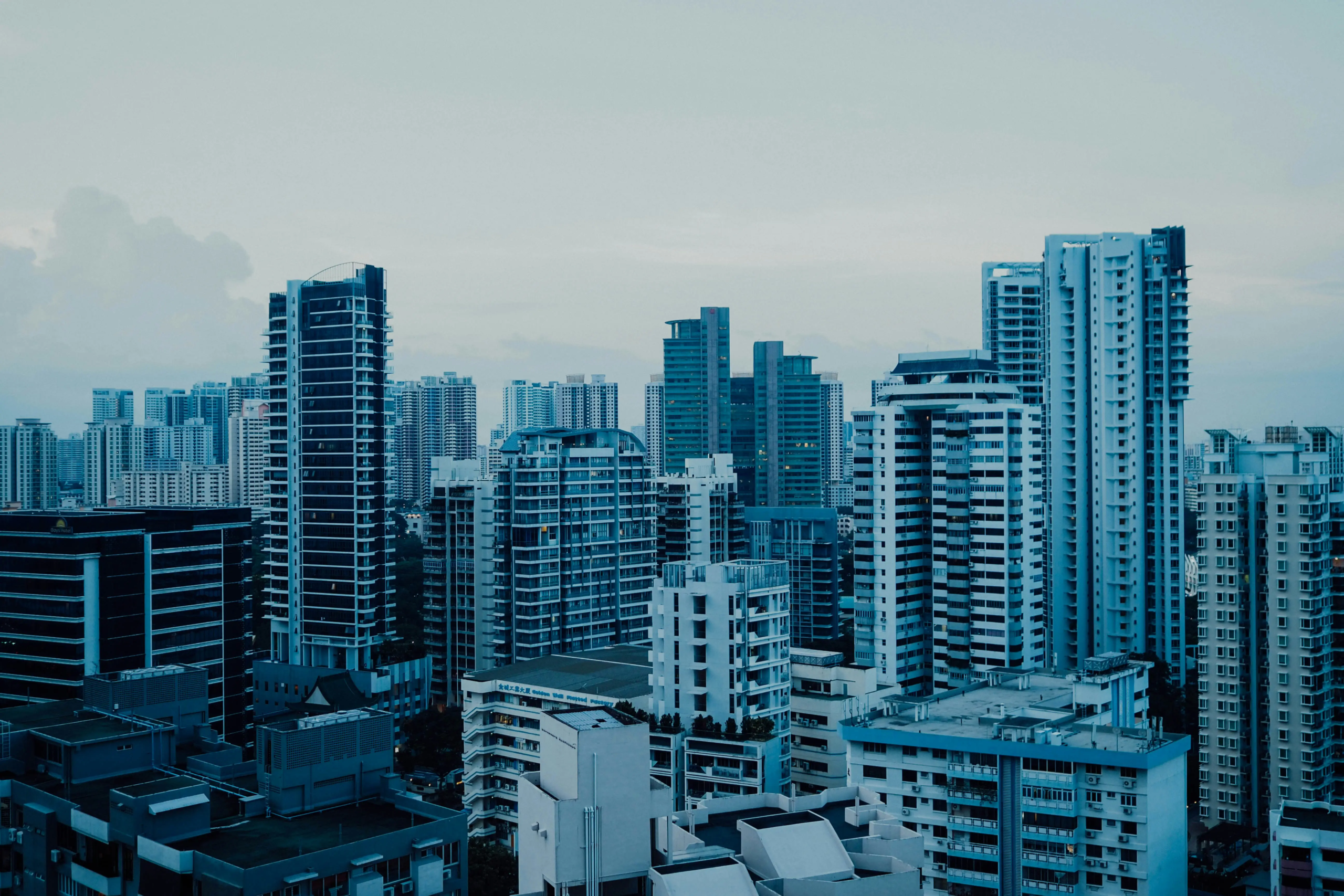
The government’s ongoing development projects and visa reforms are shaping how expats approach housing decisions. Understanding both sides of the equation helps you make a choice that fits your goals, not just the market trends.
Cost Comparison: Renting vs Buying in Dubai (2025–26)
The gap between renting and buying in Dubai has narrowed in recent years. Yet, the decision still depends on your financial situation and how long you plan to stay.
Let’s break down what each option looks like in 2025–26:
| Factor | Renting in Dubai | Buying a Property in Dubai |
|---|---|---|
| Upfront Cost | Usually one year’s rent upfront or in 4 cheques | 20%–25% down payment + fees (DLD, agent, mortgage) |
| Average Annual Expense | AED 90,000 – AED 160,000 for a 2-bedroom in central areas | Mortgage payments from AED 8,000–12,000 per month |
| Maintenance & Fees | Covered by the landlord | Paid by owner (service charges + maintenance) |
| Flexibility | High: move anytime after the lease ends | Limited: Property resale takes time |
| Ownership Benefit | None | Builds equity + eligible for Golden Visa (for AED 2M+ property) |
In 2025, renting is more affordable short term, but buying provides stronger financial security for long-term residents and investors.
Financial Factors and Long-Term Value
In 2025–26, financial planning is at the core of every property decision in Dubai. The real estate market remains strong, driven by consistent population growth and investor confidence. Yet, the question remains: does buying a property create more value than renting?
Mortgage rates are currently averaging 4.5%–5%, and with flexible payment plans from developers, ownership is becoming more accessible to residents. However, renting continues to appeal to those who prefer short-term financial flexibility and minimal upfront expenses.
When Renting Makes Financial Sense
Renting often suits professionals or families who are new to Dubai or plan to relocate in a few years. It helps preserve cash flow and reduces financial risk in a changing job or visa situation.
Advantages:
- Lower upfront costs (no DLD fees or maintenance expenses).
- Freedom to move if your job, school, or lifestyle changes.
- The landlord covers most repairs and annual maintenance.
- Easier budgeting with predictable yearly rent.
Drawbacks:
- Rent payments don’t build ownership or long-term equity.
- Rents can rise each year under RERA’s updated index.
- You remain tied to tenancy renewal cycles and Ejari contracts.
When Buying Becomes the Smarter Choice
Buying a property is ideal for long-term residents or investors who want to build wealth through equity and appreciation. Dubai’s freehold zones, stable regulation under DLD and RERA, and attractive Golden Visa incentives make ownership a rewarding option.
Advantages:
- Builds long-term wealth through asset appreciation.
- Generates passive income from renting out the property.
- Provides residency stability through ownership.
- Protection against rising rent costs over time.
Drawbacks:
- High upfront payments, including DLD fees and service charges.
- Market fluctuations can affect short-term resale value.
- Maintenance and management are the owner’s responsibility.
Over time, property ownership often outperforms renting financially. A buyer typically reaches the break-even point in 6–8 years, depending on appreciation rates. Developers such as Emaar, Sobha Realty, and DAMAC report 6–9% annual ROI in key areas like Downtown Dubai, Dubai Marina, and Business Bay, among the city’s most profitable zones.
Lifestyle and Practical Considerations
When deciding whether to rent or buy in Dubai, lifestyle plays a major role alongside financial factors. The city attracts a diverse mix of residents, from young professionals and short-term expats to long-term investors and families, each with unique needs. Understanding how your daily life aligns with either renting or owning a home helps make a confident, practical choice.
Renting suits those who value flexibility and freedom. It allows residents to experience different neighborhoods, such as Dubai Marina, JLT, or Downtown, without long-term financial ties. Many professionals choose to rent because it keeps them mobile, especially when work commitments or visa situations change. Renting also offers convenience, furnished apartments, minimal maintenance responsibilities, and the ability to relocate or upgrade easily. For people new to Dubai or unsure about staying long term, this option keeps things simple and low-risk.
Buying a property, on the other hand, fits residents planning to stay in Dubai for several years or those who see the city as a place to build their future. Ownership provides long-term security and the freedom to personalize a living space. Families often prefer this route for stability in schooling, community life, and long-term planning. For investors, it’s also a strategic move that combines lifestyle comfort with financial growth, especially with the potential to qualify for the Golden Visa through property ownership worth AED 2 million or more.
Cost Comparison
Understanding the real financial difference between renting and buying in Dubai helps residents make smarter decisions. As of 2025, rent prices have continued to climb, especially in popular areas like Downtown, Dubai Marina, and Business Bay. At the same time, developers are offering easier payment plans and competitive mortgage rates that make ownership more achievable than before.
A one-bedroom apartment in Downtown Dubai currently rents for around AED 95,000 per year, while the same property could be bought for about AED 1.3 million. With a 20% down payment and a 4.5% mortgage rate, monthly installments average around AED 7,500. Although buying involves upfront costs such as the Dubai Land Department (DLD) registration fee and annual service charges, these expenses often balance out over time as the property’s value increases.
For instance, rental prices have been rising by 8–10% annually, while the average return on property investment in Dubai ranges between 6–9%. Buyers not only gain from property appreciation but also from potential rental income if they choose to lease their home later. In contrast, renters continue paying without gaining ownership or building equity.
However, renting may still be more practical for those planning short stays or facing uncertain job conditions. A tenant avoids large upfront fees and remains free to relocate when needed. Buying becomes more rewarding for residents with long-term plans, stable income, and an eye on wealth creation.
In 2025–26, the break-even point for most Dubai buyers falls between 6 to 8 years, depending on property type and location. Beyond that, ownership generally becomes more cost-effective than renting.
Example Comparison:
| Property Type | Annual Rent | Monthly Mortgage | One-Time Fees (DLD + Registration) | ROI Potential |
|---|---|---|---|---|
| 1BR in Downtown | AED 95K | AED 7.5K/month | AED 45K | 6.5% |
| 2BR in Dubai Marina | AED 130K | AED 9.5K/month | AED 60K | 7% |
In the long run, buying a property in Dubai builds both financial and lifestyle stability, while renting continues to offer flexibility for those not ready for a long-term investment.
Key Factors to Decide
Choosing between renting and buying in Dubai depends on your personal circumstances more than market trends. Both options have clear advantages, but the right decision aligns with your lifestyle, finances, and long-term plans. Before committing, consider the following factors that influence your financial comfort and mobility.
Duration of Stay
If you plan to stay in Dubai for less than three years, renting is the more practical choice. It saves you from upfront costs like DLD registration and agency fees. However, if you see yourself here long-term, five years or more, buying often leads to better financial outcomes through appreciation and rent savings.
Job and Income Stability
A stable income allows you to manage mortgage payments and ownership expenses comfortably. Homeownership makes sense for professionals with consistent earnings, while renting offers flexibility for those with variable income or career changes.
Savings and Budget
Buying a property requires a 20–25% down payment, plus registration and service fees. If you don’t have that liquidity, renting helps maintain financial flexibility. But for those with enough savings, property ownership can secure long-term financial growth and stability.
Lifestyle Flexibility
If you enjoy trying different neighborhoods or expect frequent relocations, renting suits your lifestyle better. Ownership brings permanence but also ties you to one location, ideal for families or individuals ready to settle.
Visa and Residency Benefits
Owning a property worth AED 2 million or more can qualify you for the Golden Visa, offering long-term residency and investor advantages. Renters don’t receive visa benefits, making ownership more appealing for those who plan to stay in Dubai permanently.
Investment Goals
For those focused on financial growth, Dubai’s property market offers attractive rental yields (6–9%) and strong ROI potential in freehold zones. Buying can turn your home into an asset that appreciates and generates income, while renting only covers living needs.
Expert Insight: What Real Estate Agents Recommend
Real estate professionals across Dubai agree that the rent vs buy decision in 2025–26 depends on long-term planning rather than short-term market trends. Agents at ACF Real Estate report that while rents have grown by nearly 10% year-on-year, mortgage options and developer incentives have made ownership more accessible than ever.
According to licensed brokers, many residents renting for over four years could actually save more by purchasing a home, especially in high-demand areas like Jumeirah Village Circle (JVC), Dubai Hills Estate, and Downtown Dubai. With competitive mortgage plans from banks such as Emirates NBD, Mashreq, and ADCB, owning is no longer limited to investors; even salaried professionals are entering the buyer market.
“Residents who plan to stay in Dubai beyond five years often see clear financial advantages in buying rather than renting,” says a senior consultant from ACF Real Estate.
Experts also highlight the role of the Dubai Land Department (DLD) and RERA in maintaining transparency and market stability, which further boosts buyer confidence. They advise potential homeowners to factor in property management costs, annual maintenance, and community service fees before committing, but emphasize that long-term property value growth in Dubai remains steady and reliable.
Ultimately, professionals recommend assessing your lifestyle, financial readiness, and future goals before deciding. Renting is ideal for flexibility, while buying is a wealth-building move supported by a strong, regulated market.
Final Comparison
By this stage, the advantages and trade-offs of renting and buying in Dubai for 2025–26 are clear. Both options serve different needs; one focuses on flexibility, the other on long-term financial growth. To make the decision easier, here’s a straightforward comparison based on the most important factors for residents and investors.
| Criteria | Renting | Buying |
|---|---|---|
| Upfront Cost | Low – only security deposit and agent fee | High – 20% down payment + DLD fees |
| Monthly Expense | Fixed rent payment | Mortgage + maintenance + service fees |
| Flexibility | High – easy relocation | Medium – requires resale or lease if moving |
| Ownership | No property ownership | Full ownership in freehold areas |
| Long-Term Saving | None – rent paid doesn’t build equity | Builds wealth through equity and appreciation |
| Maintenance | Covered by the landlord | Owner’s responsibility |
| Visa Benefit | None | Eligible for Golden Visa (AED 2M+) |
| ROI / Investment | N/A | Average 6–9% per year in key areas |
| Market Risk | None for tenant | Moderate, based on property value shifts |
| Ideal For | Short-term residents, flexible professionals | Long-term residents, investors, families |
The comparison shows that renting suits those with short-term plans or uncertain job situations, while buying benefits individuals ready to commit to Dubai’s growing market. Ownership not only builds financial value but also brings stability and potential residency benefits.
FAQs
Is it better to rent or buy property in Dubai in 2025?
It depends on your long-term plans. Renting suits short-term residents or those unsure about staying. Buying works best for people planning to live in Dubai for at least five years and looking to build equity through property appreciation.
Are property prices expected to rise in Dubai in 2026?
Most analysts expect steady growth due to population increase, limited new supply in prime areas, and sustained investor demand. Reports from Knight Frank and Property Finder project moderate appreciation through 2026.
Can expats buy property in Dubai?
Yes. Expats can buy property in designated freehold areas such as Downtown Dubai, Dubai Marina, Business Bay, and Jumeirah Village Circle. Ownership rights are the same as UAE nationals in these zones.
What are the main costs when buying a property in Dubai?
You’ll need to cover the DLD fee (4%), agency commission (2%), mortgage registration fee (0.25%), and other minor administrative costs. Always verify details with the Dubai Land Department (DLD) or your real estate agent.
Is mortgage financing available for non-residents?
Yes. Many UAE banks offer mortgages to non-residents, usually requiring a 20–25% down payment. Lenders like Emirates NBD, Mashreq, and HSBC UAE have tailored products for expat investors.
Are rents still increasing in Dubai?
Rents have risen in popular areas like Dubai Marina and Downtown due to high demand and limited supply. However, emerging neighborhoods such as Dubailand and JVC offer more stable rental prices.
Can I get a Golden Visa by buying property?
Yes. Buying property worth at least AED 2 million qualifies you for a 10-year Golden Visa, even if it’s mortgaged or off-plan (subject to DLD approval).
Is buying off-plan property in Dubai safe?
Yes, if purchased from RERA-registered developers. Check that the project’s escrow account and progress are verified by DLD to ensure full protection.